
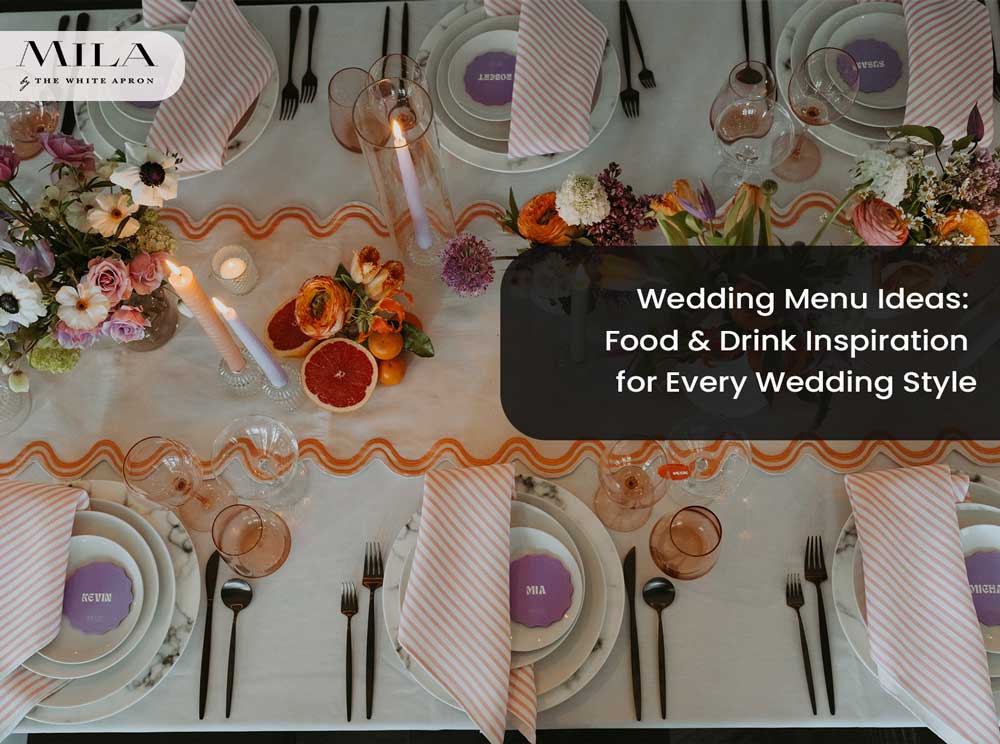
Planning a wedding menu is one of the most personal decisions you will make for your celebration. The food and drinks you serve shape the entire guest experience — from the first passed hors d’oeuvre at cocktail hour to the final slice of wedding cake or late night snack. A thoughtfully curated menu reflects your tastes and personality while ensuring every guest feels genuinely welcomed and well cared for throughout the evening.
This guide covers everything you need to create a wedding menu that feels true to your style and vision. You will find insights into the most popular service styles, seasonal menu inspiration for every time of year, ideas for every wedding aesthetic, guidance on dietary accommodations, and complete sample menus to use as a starting point.
Whether you are in the early stages of planning or refining a menu already in progress, the goal is the same: a reception meal that feels personal, intentional, and genuinely memorable.
How to Choose the Perfect Wedding Menu?
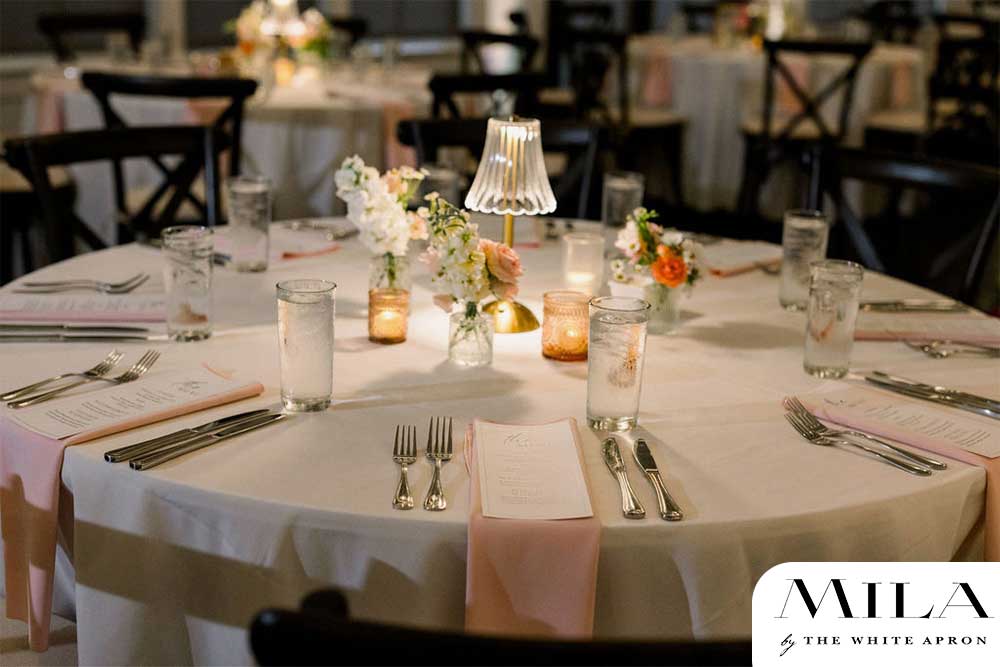
A great wedding menu does not happen by accident. It comes from making thoughtful, well-informed decisions early in the planning process.
Start With Your Vision
Before you consider a single dish, get clear on the experience you want to create. Do you envision an intimate plated dinner with candlelight and coursed service? A lively, interactive evening with chef-attended stations? A warm, communal feast where guests pass platters and linger at the table? Your service style sets the tone for everything that follows.
Match the Menu to Your Wedding Theme
Your menu should feel like a natural extension of your wedding’s aesthetic. A rustic reception pairs beautifully with family-style comfort food, carved meats, and seasonal sides. A black-tie celebration calls for plated courses with refined proteins and elegant presentation. A coastal or garden setting suits lighter, fresher flavors. When food, service style, and venue work together, guests notice — and remember.
Account for Dietary Needs
Dietary accommodations are now a standard part of wedding planning. Collect guest preferences through your RSVP process and share that information with your catering team well in advance. Plan for at least one vegetarian and one gluten-free option at every course. At buffets and stations, label all dishes clearly. Guests with serious allergies deserve to know exactly what is in every dish — clear communication here is a mark of exceptional hospitality.
Use Seasonal and Local Ingredients
Seasonal ingredients taste better and feel more intentional. A June wedding can showcase fresh corn, tomatoes, and stone fruits. A November celebration lends itself to butternut squash, roasted root vegetables, and warm spice-forward flavors. Seasonal sourcing also supports local farms and brings a sense of place to the meal — something guests genuinely appreciate.
Work Closely With Your Catering Team
Your catering partner is your most important collaborator in the menu planning process. Come to your initial consultation with a clear sense of your wedding style, guest count, and any dietary needs. Ask specific questions: What is included in the per-person pricing? How is staffing handled? What does the tasting process look like? A strong full-service catering team will guide you toward the best options for your vision without overselling extras you do not need.
Wedding Catering Service Styles
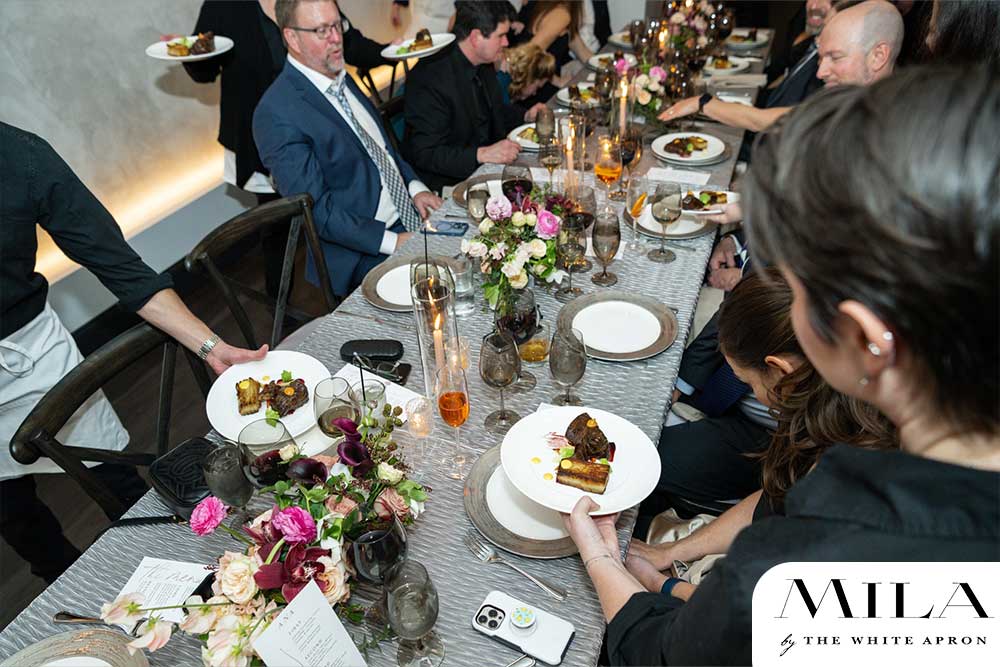
Choosing the right service style is just as important as choosing the food itself. Each format creates a distinct atmosphere, shapes how guests interact with each other, and determines the overall pace and energy of the evening.
Plated Dinner Service
A plated dinner is the most formal and traditional format. Servers deliver individual, pre-portioned courses directly to each guest across two to four courses, creating an elegant, restaurant-quality experience with a predictable timeline. The presentation of each dish can be precisely controlled, and the unhurried pace of coursed service gives guests time to settle, connect, and savor the meal. It is the gold standard for upscale celebrations.
Buffet Service
A buffet presents multiple proteins, sides, and salads at self-serve stations. It offers variety, accommodates dietary needs with ease, and creates a relaxed social energy that encourages guests to move around and mingle. Buffets work particularly well for larger, more casual receptions.
Family-Style Dining
Family-style service places generous platters and bowls at each table for guests to pass and share. It creates a warm, communal atmosphere — the feeling of a great dinner party — and moves efficiently since guests stay seated throughout the meal. Family-style service photographs beautifully, especially on long farm tables, and has become one of the fastest-growing formats in American weddings for good reason.
Food Stations and Interactive Experiences
Interactive food stations are among the most exciting options available. These are chef-driven experiences designed to engage guests and add genuine energy to the reception — a live pasta bar, a prime rib carving station, a sushi counter, or a taco station. Stations allow guests to personalize their meal while creating a dynamic, layered evening that feels active and celebratory from start to finish.
Cocktail-Style Receptions
A cocktail-style reception replaces a seated dinner with a continuous flow of passed bites and light stations. This format works well for shorter or afternoon celebrations, keeping guests on their feet and socializing. The key is volume — plan generously so guests feel genuinely satisfied, not as though they are nibbling at the edges of a meal.
Wedding Appetizer Ideas
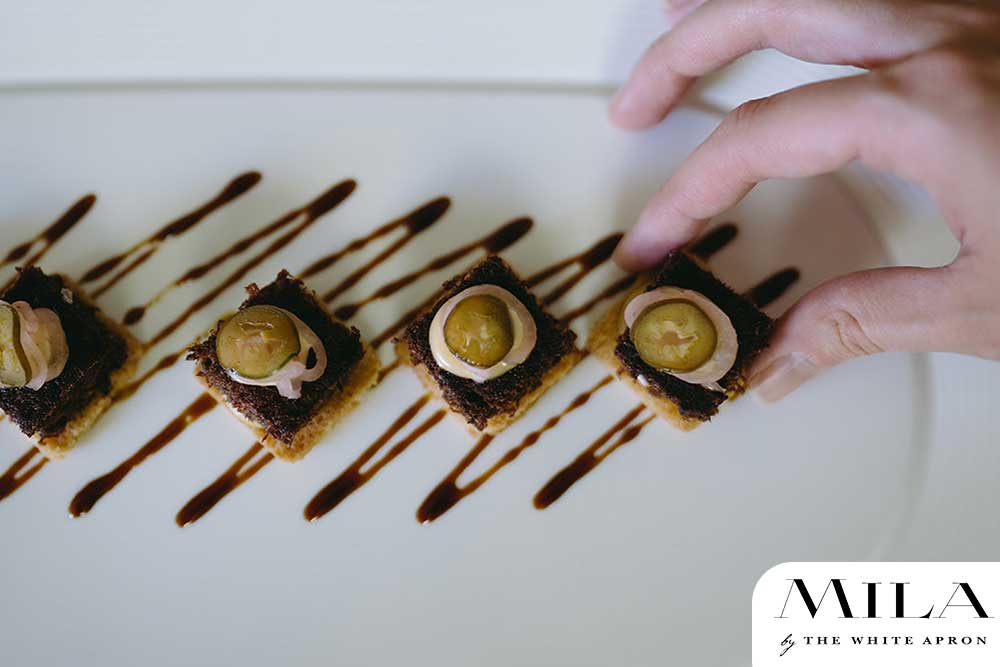
Appetizers set the tone for the entire celebration. They should be visually beautiful, easy to enjoy in one or two bites, and reflective of the meal to come.
Passed Hors d’Oeuvres
Passed appetizers are served by staff circulating through cocktail hour. They create an effortless, elegant first impression while also helping with flow, no matter how large or small the guest count is. Crowd favorites include mini lobster rolls, herb crusted baby lamb chops, brown butter madelines w/ house made ricotta, & fennel marmalade, compressed watermelon skewers, vegetable fried rice bites with spicy crunchy tuna & sriracha aioli, mini crab cakes, flatbreads and mini soup shooters.
Cold Appetizers
Cold bites are especially well-suited to summer weddings and outdoor cocktail hours. Strong options include:
- Mini Tomato Tart Tatin (v)
- Heirloom Tomato Gazpacho Shooter (Seasonal) (gf, vegan)
- Crispy Duck Breast, Cherry Gastrique, Pickled Mustard Seeds (gf, df)
- Local White Ceviche, Lime, Tomato, Red Onion, Jalapeno, Cilantro (gf, df)
- Lobster Salad Canapé, Buttered Toast
Hot Appetizers
Hot appetizers are crowd-pleasers in every season and particularly satisfying in fall and winter. Excellent choices include:
- Butternut Squash Soup Shooter, Herb Oil (gf, vegan)
- Saucisson En Croute, House Made Sweet & Spicy Italian Sausage in Puff Pastry, Dijon Aioli
- Maine Lobster ‘Rangoon’ Bite, Warm Lobster Filling, Wonton Crisp, Szechuan Chile Oil
- Beef Short Rib Toast, Pickled Shallots, Roasted Tomato Aioli
- Lamb Meatballs, Apricot Chili Glaze, Yogurt, Toasted Almond Dust, Fresh Mint
Grazing Tables and Charcuterie Boards
A beautifully styled grazing table has become a signature element at upscale receptions. Beyond cheese & charcuterie, couples now offer mezze stations, raw bars, and dessert grazing arrangements as photo-worthy centerpieces guests return to throughout the evening. A well-executed grazing table includes a variety of options and accompaniments — serving as both a functional station and a striking visual installation.
Interactive Appetizer Stations
Interactive stations let guests customize their own bites and create natural moments of conversation. Popular options include a pasta or cacio e pepe station, a ramen or poke station, or a slider bar with accompaniments. These stations give cocktail hour an active, social energy rather than a passive one.
Wedding Entrée Ideas
The entrée is the heart of the reception meal. Most couples offer two or three protein choices alongside a vegetarian option — a combination that accommodates nearly every guest with grace.
Chicken
Chicken is the most universally embraced protein at American weddings — versatile, accessible, and suited to a wide range of preparations. Popular options include Brined & Roasted Chicken with Lemon-Tarragon Vinaigrette, or Crispy Garlic, Cumin & Oregano Rubbed Roasted Chicken with Poblano Velouté.
Beef
Beef entrées signal a more substantial, upscale experience and pair beautifully with a refined wine offering. Grilled Beef Tenderloin with Garlic & Herb Compound Butter, Braised Beef Short Ribs, Red Wine Demi-Glace or Grilled Hanger Steak with Chimichurri Sauce are all exceptional options.
Seafood
Seafood entrées bring elegance and lightness to the plate, especially well-suited to coastal, garden, and summer celebrations. Pan-seared salmon with lemon beurre blanc, butter-poached lobster tail, and pan-roasted Atlantic halibut with romesco sauce, and sesame-crusted pan seared local line-caught tuna with miso ginger vinaigrette are all refined, memorable options.
Vegetarian & Vegan
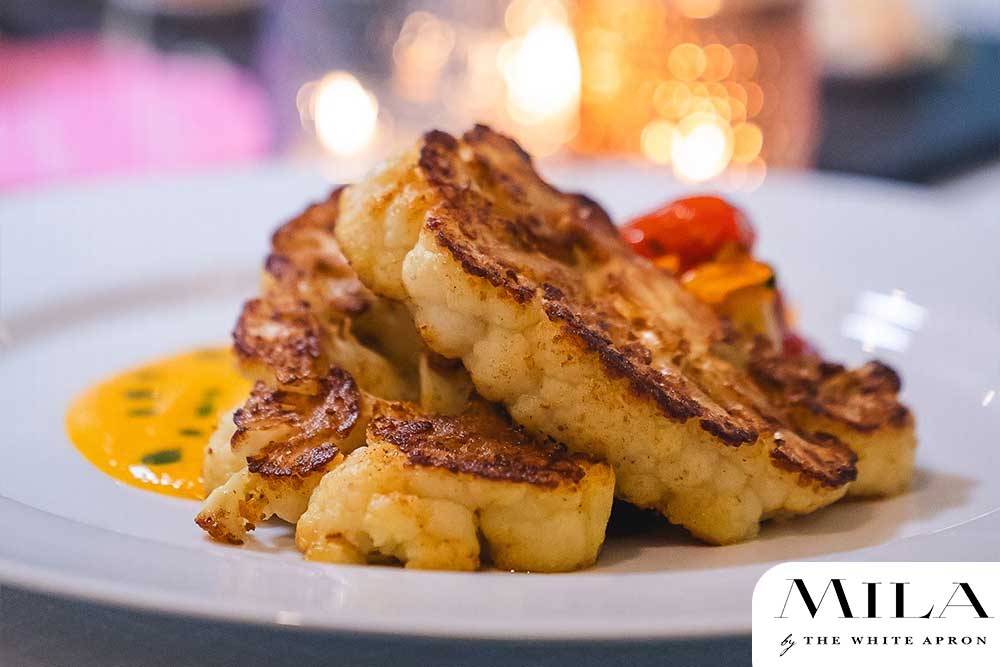
A strong vegetarian entrée deserves equal prominence on the menu. Grilled Cauliflower Steak, Carrot Coconut Puree & Wild Rice Pilaf, House Made Ricotta & Herb Gnocchi, Mushroom Cream Sauce, Cranberries & Seasonal Vegetables, or Grilled Summer Vegetable Stacks with Basil Pistou are all genuinely satisfying main courses — not afterthoughts.
Wedding Side Dishes, Desserts & Drinks
Sides
Thoughtfully chosen sides complete the plate and give the menu its seasonal character. Roasted vegetables — asparagus with parmesan, Brussels sprouts with pancetta and balsamic, honey-glazed carrots with thyme — are versatile, hold well at temperature, and accommodate most dietary restrictions naturally. Garlic mashed potatoes remain the single most universally requested wedding side dish, pairing beautifully with virtually every protein; truffle whipped potatoes elevate the classic for more formal service. Grain-based sides like wild rice pilaf, seasonal risotto dishes, farro with roasted squash and arugula, or couscous with a beautiful vinaigrette add texture and elegance while serving vegetarian and gluten-free guests well. For salads, classic Caesar, beet & chevre with orange vinaigrette, caprese or burrata salads, and Fattoush salads are all crowd-pleasing, visually striking options that suit many different seasons.
Desserts
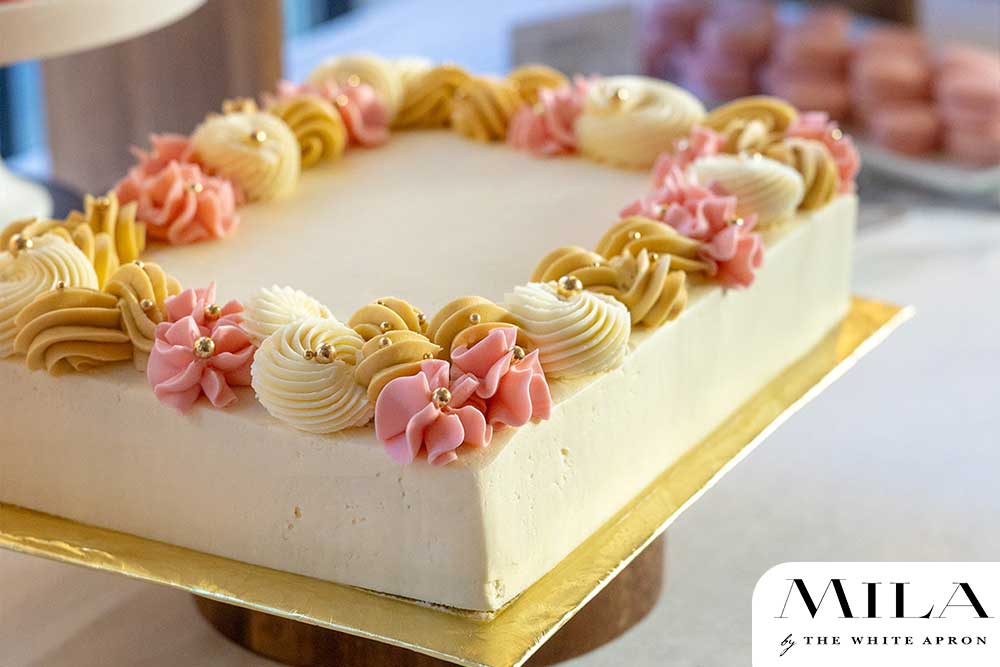
Modern couples are moving well beyond a single cake toward full dessert experiences that feel as considered as every other course. The wedding cake remains the centerpiece — beloved flavors include lemon curd with vanilla buttercream frosting, chocolate ganache with salted caramel filling, red velvet with cream cheese, and coconut cake with raspberry preserves and toasted coconut. A dessert table of French macarons, petit fours, chocolate fudge brownies, lemon bars, and mini cheesecake bites supplements the cake beautifully. Late-night treats — churros with chocolate sauce, warm cookies, or a gelato bar with seasonal flavors — keep energy high and the dance floor full long after dinner ends.
Drinks
Your drink program deserves the same care as your food menu. A signature cocktail designed specifically for the couple becomes a natural conversation piece and a personal touch guests remember — a lavender gin fizz for a garden wedding, a smoky mezcal margarita for a desert celebration, a bourbon peach smash for a Southern reception. Champagne anchors the ceremonial toast; a tower adds visual drama and photographs beautifully. For dinner service, one well-chosen red and one white cover most guests: Sauvignon Blanc or Pinot Grigio with lighter proteins; Cabernet Sauvignon or Malbec with beef; Rosé as a versatile, crowd-friendly option for cocktail hour and warm-weather events. Non-alcoholic beverages deserve equal intention — a sparkling mocktail, and creative options like hibiscus spritzers and cucumber mint water throughout the evening. A staffed coffee bar alongside the dessert course is a consistently beloved finishing touch.
Wedding Menu Ideas by Season
Seasonal menus taste better, look more intentional, and feel connected to the time and place of the celebration.
Spring
Spring calls for light, herb-forward flavors. Asparagus, peas, radishes, and strawberries are at peak quality.
Sample Spring Menu
Cocktail Hour: Buckwheat Blinis w/ Caviar & Crème Fraiche; Slow Roasted Pork Belly w/ Compressed Pineapple, Radish, Cilantro, Gochujang-Soy Glaze; Salt Cod Cake w/ Classic Remoulade & Chervil
Salad: Spring Pea & Ricotta – House Made Ricotta, Marinated Asparagus & Peas, Pea Tendrils, Arugula, Lemon, EVOO
Entrées: Classic – Brined & Roasted Chicken w/ Lemon-Tarragon Vinaigrette; Pan-Roasted Atlantic Halibut w/ Citrus Beurre Blanc; Slow-Roasted Beef Tenderloin (Sliced) w/ Chimichurri Sauce
Vegetarian Alternate: Grilled Cauliflower Steak, Carrot Coconut Puree, Grilled Red Onion, Roasted Tomatoes, Wild Rice Pilaf (gf, vegan)
Sides: Crispy Roasted Fingerlings, Garlic Confit, Herbs, Fleur de Sel (gf, v) & Garlicky Broccolini, Agro Dolce Peppers, Lemon (gf, vegan)
Dessert: Lemon Meringue Tartlets (v), Pistachio Cherry Blondies (v), Triple Chocolate Cheesecake (v), Strawberry Shortcake Bites, Lavender-Earl Gray French Macarons (gf, v, contains almond)
Drinks: Elderflower gin spritz; Sauvignon Blanc; Rosé; Prosecco
Summer
Summer menus are built for freshness and bold flavor — tomatoes, corn, stone fruits, and fresh herbs in abundance.
Sample Summer Menu
Cocktail Hour: Local White Ceviche, Lime, Tomato, Red Onion, Jalapeno, Cilantro; Compressed Mixed Melon Skewers; Crispy Duck Breast, Cherry Gastrique, Pickled Mustard Seeds
Salad: Burrata – Best Available Seasonal Fruit or Roasted Vegetable, Frisée, Balsamic Reduction, EVOO, Pangrattato
Entrées: Pan Seared Ribeye (Sliced) w/ Garlic & Herb Compound Butter; Crispy Garlic, Cumin & Oregano Rubbed Roasted Chicken w/ Poblano Velouté, Pan Seared Maine Salmon w/ Miso-Ginger Vinaigrette
Vegetarian Alternate: Grilled Summer Vegetable Stack, Summer Squash, Zucchini, Eggplant, Grilled Red Onion, Portobello Mushroom w/ Basil Pistou, over Wild Rice Pilaf
Sides: Roasted Corn, Tomato and Bacon Risotto & Roasted Seasonal Vegetables, Balsamic Reduction, Fines Herbs
Dessert: Coconut Cake w/ fresh berries & Toasted Coconut Cream Cheese Frosting; Mini Whoopie Pies
Drinks: Bourbon peach smash; Pinot Grigio; Rosé; craft lager
Fall
Fall is one of the most beloved wedding seasons. Roasted root vegetables, butternut squash, wild mushrooms, apples, and pears create rich, satisfying menus that complement the season’s warmth and beautiful colors.
Sample Fall Menu
Cocktail Hour: Butternut Squash Soup Shooter, Herb Oil; Delicata Squash Saltimbocca, Prosciutto, sage, Aged Balsamic; Chicken Liver Pate, Baguette Toast, Fig Jam, Fines Herbs
Salad: Frisee & Fennel Salad – Frisée, Baby Kale, Plumped Cranberries & Currants, Shaved Fennel, Croutons, Dijon Vinaigrette
Entrées: Braised Beef Short Ribs, Red Wine Demi-Glace; Molasses-Brined Pork Loin, Roasted Shallot-Dijon Sauce; Pan-Seared Atlantic Swordfish w/ Romesco Sauce
Vegetarian Alternate: House Made Ricotta & Herb Gnocchi, Mushroom Cream Sauce, Cranberries & Seasonal Vegetables
Sides: Truffle Whipped Potatoes & Pan-Roasted NH Mushrooms w/ Haricots Verts
Dessert: Chocolate Guinness wedding cake w/ Coffee Swiss Buttercream Frosting & Assorted Mini Sweets (pumpkin cheesecake bites, apple cobbler bars, dirty chai profiteroles & almond cookies)
Drinks: Spiced apple cider cocktail; Cabernet Sauvignon; Pinot Noir; local craft beer
Winter
Winter menus lean into warmth, richness, and comfort — braised meats, root vegetables, citrus, pomegranate, and dark chocolate.
Sample Winter Menu
Cocktail Hour: Beef Short Rib Toast, Pickled Shallots, Roasted Tomato Aioli; Lamb Meatballs, Apricot Chili Glaze, Yogurt, Toasted Almond Dust, Fresh Mint; Sautéed Shrimp, Fresh Orange Juice & Brandy Glaze
Salad: Baby spinach with pomegranate, candied walnuts, and blood orange vinaigrette
Entrées: Crispy Duck Leg Confit, Cranberry Mostarda; Slow-Roasted Beef Tenderloin (Sliced) w/ Sauce Béarnaise; Pan-Seared Maine Salmon w/ Lemon-Dill Crema
Vegetarian Alternate: Grilled Cauliflower Steak, Carrot Coconut Puree, Grilled Red Onion, Roasted Tomatoes, Wild Rice Pilaf (gf, vegan)
Sides: Creamy Goat Cheese Anson Mills Polenta & Roasted Seasonal Vegetables
Dessert: Red Velvet Cake w/ Traditional Cream Cheese Frosting; hot cocoa station; mini peppermint brownies
Drinks: Cranberry rosemary spritz; Cabernet Sauvignon; mulled wine; hot cider
Wedding Menu Ideas by Style
Your venue and aesthetic guide the food and service style more than any other factor.
Elegant: Plated service, refined proteins, and classic fine-dining presentation — filet mignon, butter-poached lobster, truffle risotto, and multi-course structure. Champagne is poured at the table rather than passed on trays.
Rustic: Family-style service with carved meats, roasted vegetables, and seasonal sides. Charcuterie grazing tables, artisan bread stations, and mason jar cocktails complete the aesthetic.
Modern: Clean presentations, global influences, and immersive experiences. Menus designed to reflect the couple’s story — a cacio e pepe station alongside a craft cocktail program, small-plate courses, and architectural dessert displays.
Garden: Botanical ingredients, light proteins, and farm-fresh produce. Herb-infused dishes, edible flowers, and fruit-forward desserts complement an outdoor setting beautifully.
Coastal: Seafood at the center — raw bar stations with oysters and shrimp, grilled fish, ceviche, lobster rolls, and fresh fruit displays that feel entirely natural at a waterfront venue.
Luxury: Premium ingredients and theatrical presentation. Caviar service, a live sushi bar, Wagyu beef, truffle preparations, and custom cocktail programs with hand-carved ice all signal a genuinely exceptional experience.
Wedding Menus for Dietary Restrictions
Dietary needs at weddings are no longer edge cases — they affect a meaningful share of every guest list and deserve thoughtful, proactive planning. The key is building accommodations into the menu from the start, not bolting them on at the end.
Vegetarian: Succeed with protein-forward preparations built around legumes, and hearty grains. Feature the vegetarian or vegan entrée as an equal alongside the proteins — not tucked away as a footnote — and it becomes something guests actively choose rather than settle for.
Gluten-free: Use dedicated serving utensils, clearly labeled dishes, and naturally safe sides like rice, potatoes, and polenta. Avoid flour-thickened sauces and breaded preparations unless prepared in a dedicated environment.
Dairy-free: High-quality plant-based alternatives make dairy-free accommodations seamless. Sorbets and fruit-based desserts require no adaptation at all.
Allergy-friendly: Provide a written ingredient guide at every station and designate a knowledgeable catering contact guests can approach confidently throughout the evening. For guests with severe allergies, discuss a dedicated allergen-free preparation area with your catering team.
Common Wedding Menu Planning Mistakes to Avoid
Overlooking dietary needs. Collect this information through your RSVP process and share the complete list with your catering team well in advance. Guests who cannot eat comfortably at your wedding will remember that, regardless of how beautiful everything else was.
Too many choices. More options do not create a better experience — they create longer lines and slower service. A menu with four or five beautifully executed dishes outperforms one with twelve where half go untouched. Quality and intention always win.
Ignoring seasonality. Out-of-season ingredients cost more, travel farther, and taste less vibrant. Build your menu around what is naturally available during your wedding month and the food will speak for itself.
Neglecting the beverage program. Drinks are often the last thing couples finalize and among the first things guests notice. Confirm your full drink menu — including non-alcoholic options — as an integrated part of your catering plan from the beginning.
Skipping the tasting. Never finalize a menu without experiencing the food first. A tasting lets you evaluate flavor, portion, presentation, and temperature — and gives you the chance to request refinements well before the wedding day.
Frequently Asked Questions
How many options should a wedding menu have?
One salad, two to four entrée choices depending on your style of service (including vegetarian), two sides, and a dessert is a strong, satisfying foundation. Cocktail hour typically includes four to six passed hors d’oeuvres options. Depending on your venue and expected guest count, adding a station during cocktail hour can go a long way toward improving the flow and guest experience during this time.
What is the most popular wedding entrée?
Chicken is the most universally requested protein at American receptions — versatile, approachable, and suited to nearly every service style and season. Late-night comfort foods like lo mien, sliders, and mini flatbreads are also consistently beloved, with guests returning to them well into the evening.
Should every wedding offer vegetarian options?
Yes, without exception. A thoughtfully prepared vegetarian entrée is a basic standard of hospitality. Many couples now feature it as equally prominent on the menu as the meat options — which reflects well on both the hosts and their catering team, and ensures every guest feels genuinely considered.
How far in advance should you finalize the menu?
Aim to finalize at least 60 days before the wedding. Use that time to confirm dietary needs, complete your tasting, and work through any refinements. Submit final headcounts two to three weeks before the event, which is when most caterers begin ordering and prep work in earnest.
What is inclusive pricing in wedding catering?
Full-service venues and caterers often offer inclusive pricing — a single per-person rate that covers food, beverage service, and staffing together. This approach simplifies the planning process, ensures every element is coordinated by one experienced team, and gives couples a clear picture of the full investment without surprise additions after the fact.
- How to Choose the Perfect Wedding Menu?
- Wedding Catering Service Styles
- Wedding Appetizer Ideas
- Wedding Entrée Ideas
- Wedding Side Dishes, Desserts & Drinks
- Wedding Menu Ideas by Season
- Wedding Menu Ideas by Style
- Wedding Menus for Dietary Restrictions
- Common Wedding Menu Planning Mistakes to Avoid
- Frequently Asked Questions